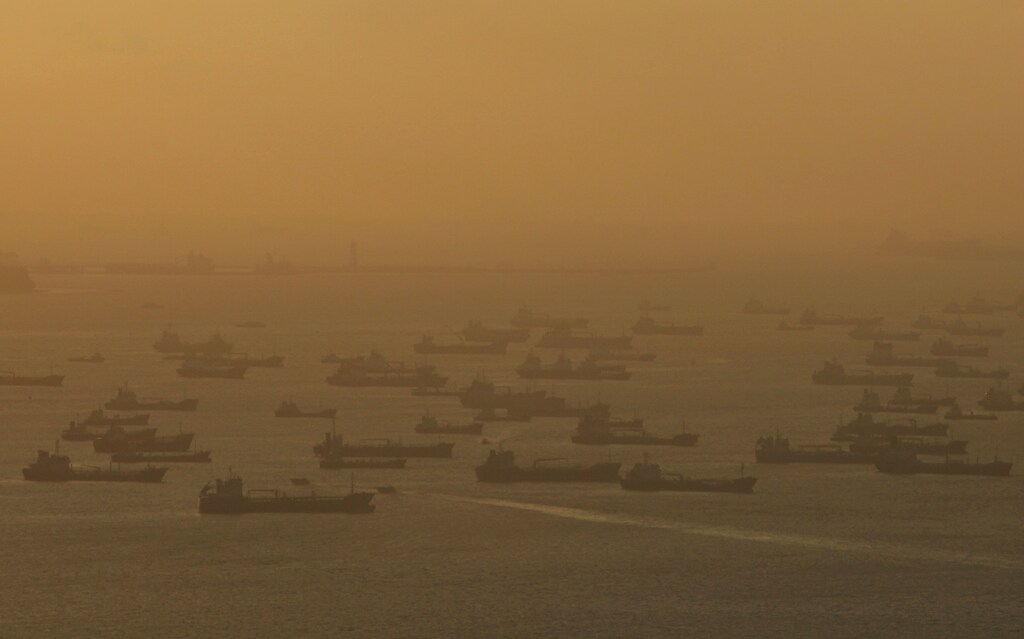
Queues of supertankers are taking over some of the world’s busiest sea lanes, causing what may be the world’s biggest traffic jam.
Ports across the world, though primarily in the Middle East and Asia, are struggling to cope with the global oil glut, resulting in queues of tankers waiting to be loaded or delivered.
According to Reuters, the vessels – around 125 of them – are estimated to be carrying 200 million barrels of crude oil, worth around $7.5 billion at current market prices. The ships could carry enough oil to power China for three weeks.
If the supertankers were to form a straight line they would stretch for almost 40km.
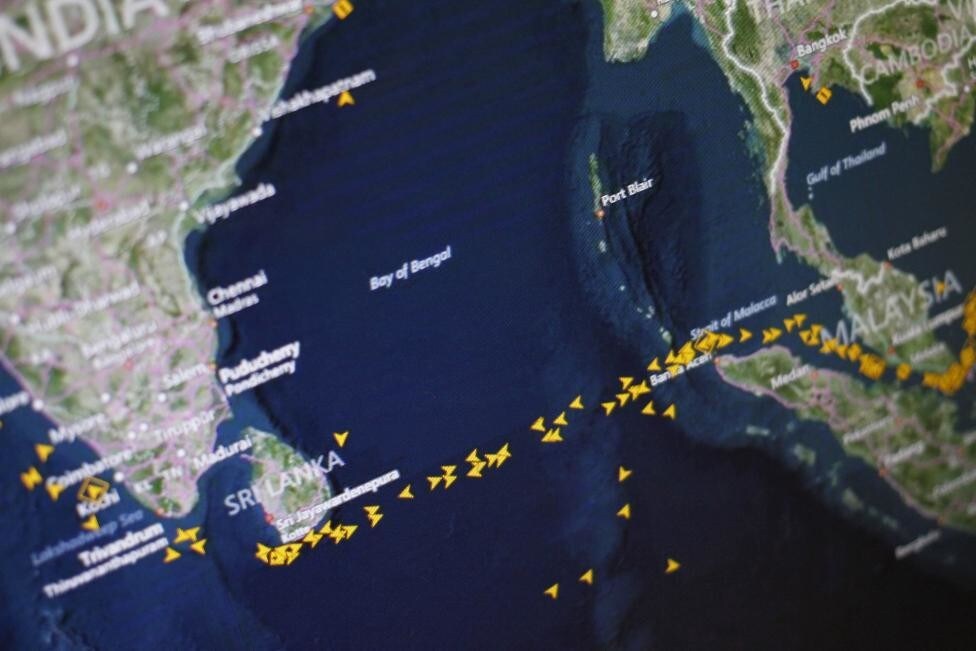
This illustrated photo shows Very Large Crude Carriers (VLCC) travelling between India and South-East Asia, based on ship-tracking from 7 April 2016.
What’s causing the supertanker gridlock?
An increase in output has resulted in an oversupply of oil and plunging prices – a drop of more than 70% since June 2014.
In January it was estimated that around a million extra barrels of oil were being dumped on the markets each day.
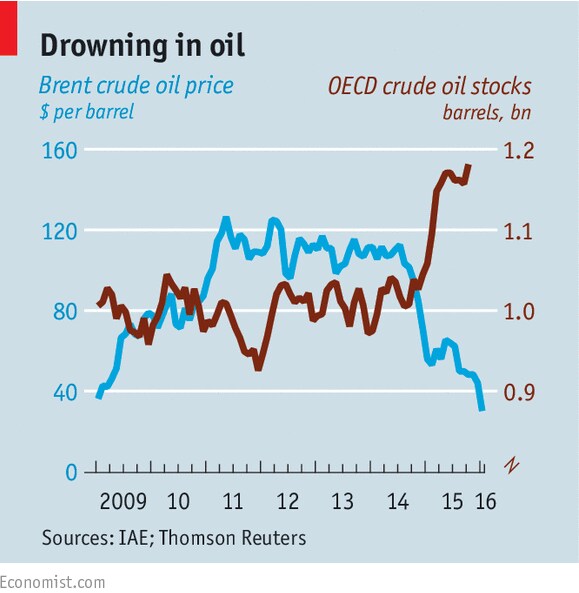
Oil production in the United States has almost doubled over the past few years, and this has resulted in increased competition and lowered prices. However, production has begun to fall, the New York Times reports, with a drop in exploration investments.
In the Middle East, ports are struggling to cope with the amount of oil available for export, and Asian ports have not had time to upgrade in preparation for the demand from consumers taking advantage of cheap fuel. The result? "One of the worst tanker traffic jams in recent years", according to Ralph Leszczynski, head of research at shipbroker Banchero Costa in Singapore.
This jam of supertankers is resulting in month-long delays, costing millions for fuel buyers, as well as having a knock-on effect across the shipping industry.
Have you read?
Is this the end of big oil?
Are the benefits from lower oil prices yet to come?
What’s behind the drop in oil prices?