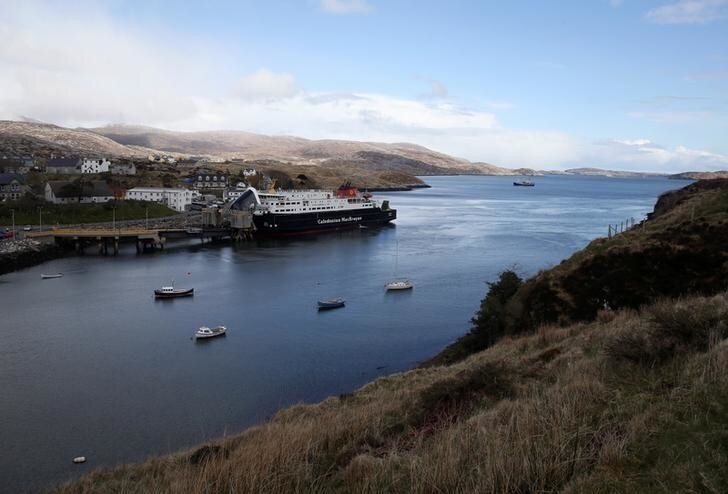
Microsoft has submerged an experimental data center into the ocean floor of the Northern Isles near Scotland.
The undersea data center is part of the technology giant’s Project Natick initiative intended to research more energy efficient data centers. Microsoft said that it dropped the portable data center, dubbed the Northern Isles, into the sea last Friday and it’s now online and performing an unspecified amount of computing tasks.
This marks the second phase of Project Natick, which kicked off in 2015 when Microsoft unloaded a mini-data center off the central California coast, where it ran for 105 days.
Microsoft said that while the first Project Natick test was to see if it was possible to operate an undersea data center, the second test is intended to learn if the “concept is logistically, environmentally and economically practical.”
Companies like Microsoft (MSFT, +0.34%) and Facebook (FB, -0.79%) that operate gigantic data centers tend to spend a lot of money and effort in cooling the facilities, which can run very hot due to the tremendous amount of servers and gear that essentially power a large portion of the Internet.
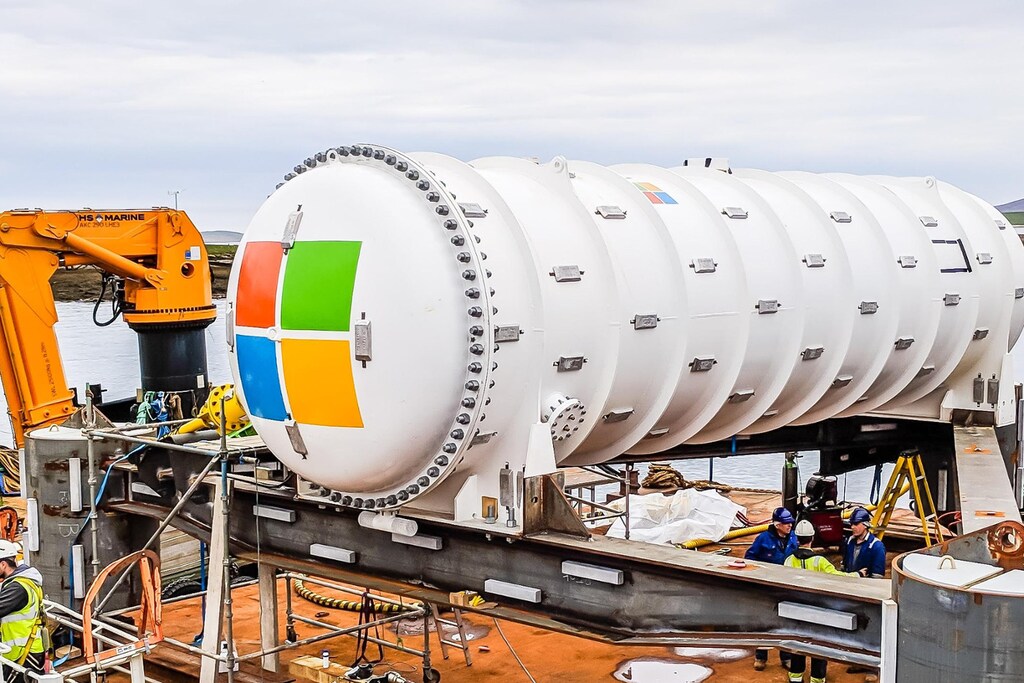
Compared to more conventional data centers that can span football fields, Project Natick’s underwater facility is a gnat at about 40-feet long and resembles a cylinder-like cargo container typically seen on big, shipping vessels.
The Northern Isles data center contains 12 server racks and 864 servers. Microsoft staff will be monitoring the data center for the next year to see how it survives under water. The hope is that the test goes well and Microsoft can eventually deploy similar portable data centers off the coast of major cities.
“We know if we can put something in here and it survives, we are good for just about any place we want to go,” Microsoft Project Natick chief Ben Cutler said in a statement.