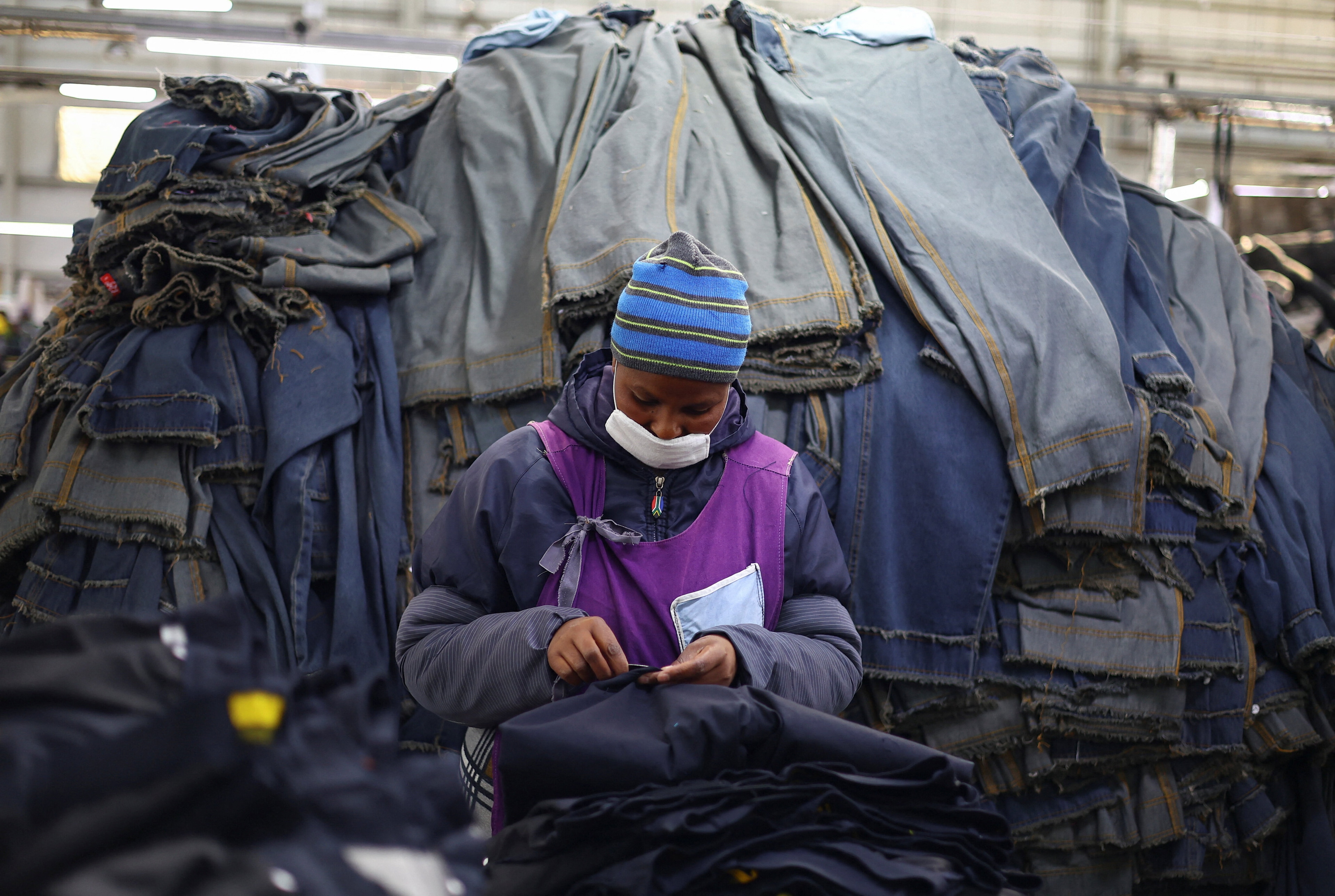
这位CEO有一个能让他当场录用求职者的面试问题

A Japanese new graduate, who wishes to be called Shinji (R), speaks with a counsellor inside a compartment at Tokyo Metropolitan Government Labor Consultation Center in Tokyo in this April 8, 2010 file photo. Japan already has one Lost Generation of youth stuck in insecure jobs as part-timers, contract workers and temps after failing to find steady employment when they graduated from high school or college during a hiring Ice Age from 1994 to 2004. Now the country's leaders worry that a still-fragile recovery from Japan's worst recession in 60 years and cautious corporate hiring plans are putting a second batch of youth at risk, raising prospects of a further waste of human resources the country can ill afford as it struggles with an ageing, shrinking population. Picture taken April 8, 2010. To match feature JAPAN-GENERATION/ REUTERS/Yuriko Nakao (JAPAN - Tags: BUSINESS EMPLOYMENT SOCIETY POLITICS) - GM1E64M0M7201
"What are the qualities you like least and most in your parents?"Image: REUTERS/Yuriko Nakao
本内容由人工智能自动翻译。

很少有问题能如此准确地预测一个人的性格,以至于让CEO想要当场录用这位求职者。

《纽约时报》记者亚当·布莱恩特(Adam Bryant)表示,有一个问题令他印象深刻;这是他采访了数百位高管、为“Corner Office”专栏撰稿后想到的。

这个问题来自鲍勃·布伦南(Bob Brennan)。他是软件公司CA Technologies的执行董事;在接受布莱恩特采访时,他担任档案管理公司Iron Mountain的CEO。

布伦南说,如果面试只能问一个问题,他会问:“你最不喜欢和最喜欢父母身上的哪些品质?”

布伦南说,据布莱恩特转述:“我想知道人们有多愿意真正谈论自己。所以,如果我问你:‘你最不喜欢和最喜欢父母身上的哪些品质?’你可能会对此感到不快,也可能会很好奇,或者真的向我敞开心扉。显然,如果你对此感到不快,那说明这种环境让你觉得太脆弱、缺乏安全感。”

布莱恩特说,在他向CEO们提出过的所有类似问题中,布伦南的这个问题格外突出。

布莱恩特写道:“关于这样的问题是否越界,我留给人力资源专业人士去讨论。”

“但我很难想到还有什么更好的‘水晶球’,能预测一个人在受雇后的数周、数月乃至数年里可能会如何表现。毕竟,人们往往会养成自己喜欢的父母身上的品质,并努力避免做出自己不喜欢的父母的行为。”

布莱恩特说,这个问题是高管们打破常规面试千篇一律局面的众多创意方法之一。毕竟,“求职者早已受过训练,会预想常见问题——‘你最大的优点和缺点是什么?’——因此CEO必须想出出其不意的问题,才能绕过他们精心修饰的表象。”

授权与转载
世界经济论坛发布的文章,可依据《知识共享署名-非商业性使用-禁止演绎4.0国际公共许可协议》以及我方《使用条款》进行转载。 本文所表达的观点仅代表作者个人立场,并不代表世界经济论坛的观点。