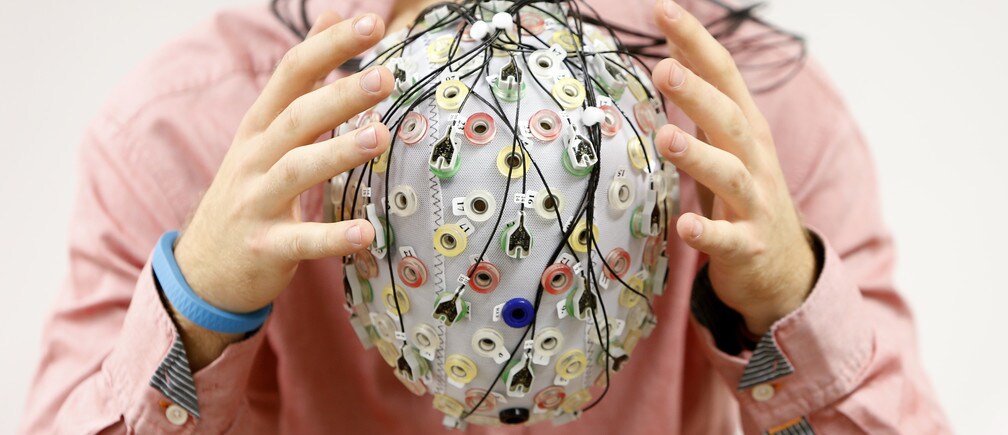
Imagine a world where all of your thoughts are visible – including to government agencies. This scenario might sound like it’s been plucked straight from the pages of a sci-fi novel, but it’s not as far-fetched as you might think.
Devices that measure and interpret electrical signals from our brains can already detect things like whether we are drowsy while driving.
In this video for the World Economic Forum, Nita A. Farahany, Professor of Law and Philosophy at Duke University, discusses the potential but also the legal and ethical risks of these emerging technologies.
“We are not yet at the point where a little thought bubble above your head is something we can see, but we’re getting there,” she says.
“Which means the NSA and other organizations can spy not just on your emails and your cell phones but soon potentially on your brains as well.”
Have you read?
What if: your brain confesses?
Can your ‘smart’ home spy on you?