The British government and billionaire Bill Gates on Monday pledged to invest some 3 billion pounds ($4.3 bln) over the next five years to help fight malaria.
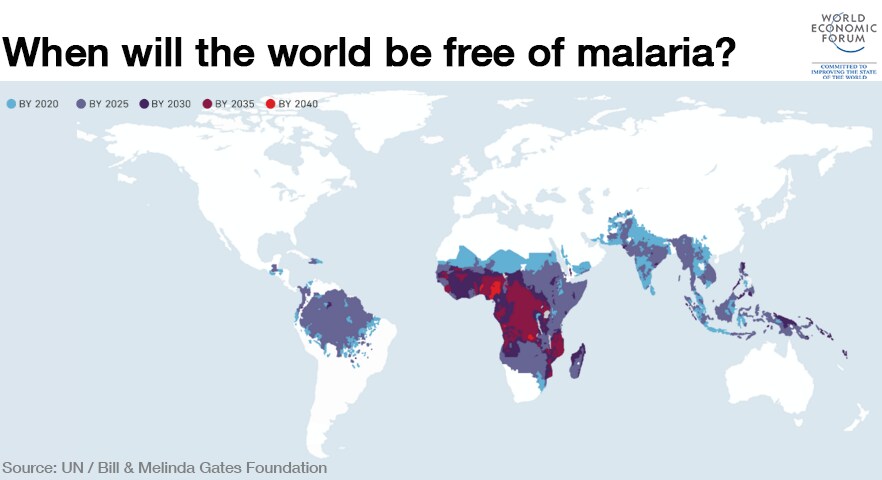
Here are some facts about the disease:
* Nearly half the world's population is at risk of malaria - about 3.2 billion people. It exists in 97 countries and territories
* In 2015, some 214 million people were infected and 438,000 people died of malaria, the majority in sub-Saharan Africa
* Children under five years old, pregnant women and people living with HIV/AIDS are particularly vulnerable
* The mosquito-borne disease is preventable and curable.
* Between 2000 and 2015, malaria death rates fell by 60 percent
* Four countries have eliminated it since 2007: United Arab Emirates, Morocco, Turkmenistan and Armenia. In 2014, 13 countries reported zero cases of malaria
* Growing resistance to insecticides and treatments threatens to roll back gains
* In Southeast Asia, the disease is developing resistance to the most effective form of treatment. Scientists are worried this resistance will spread to Africa where at least 90 percent of malaria deaths occur
* Mosquitoes are also developing resistance to the insecticides used to treat bednets
* The World Health Organization has targeted malaria for elimination in at least 35 countries by 2030, and reducing death rates by 90 percent in the same time