Health interventions costing as little as $1.72 per person could prevent hundreds of thousands of deaths from breast and cervical cancer in developing countries, scientists said on Tuesday.
Nearly 800,000 women die of cervical and breast cancer every year, with two thirds of breast cancer deaths and 9 out of 10 cervical cancer deaths in developing countries, they said in a study published in The Lancet medical journal.
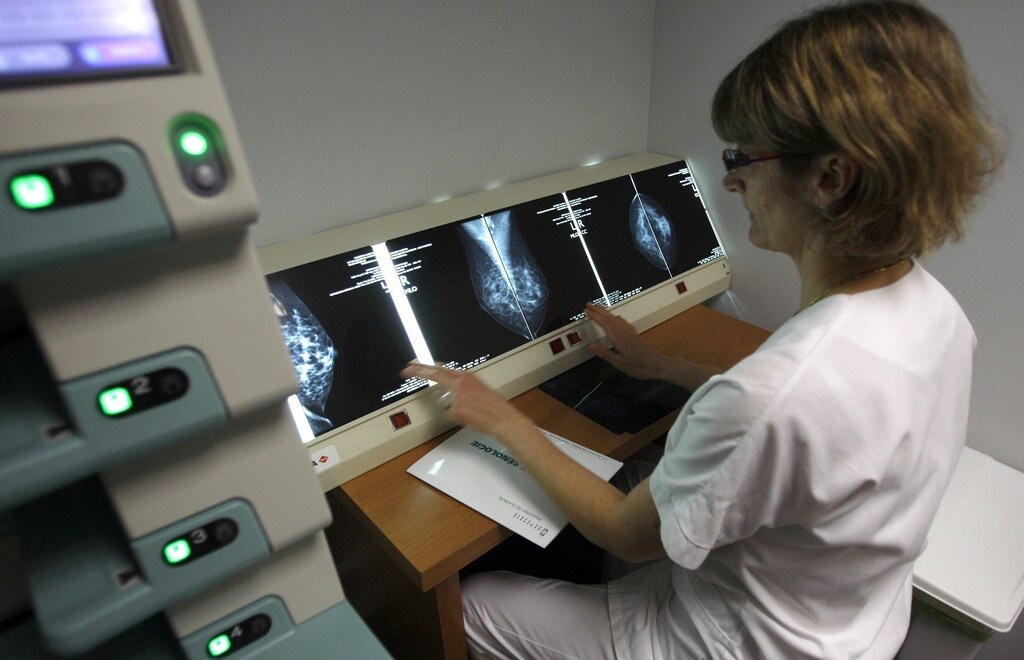
While some diagnostic and treatment options such as mammography and radiotherapy are often not available in poor countries, several low-cost interventions have a potential to save lives, the scientists said.
"There is a widespread misconception that breast and cervical cancers are too difficult and expensive to prevent and treat, particularly in resource-poor countries where the burden of these diseases is highest," Ophira Ginsburg from the University of Toronto said in a statement.
"But nothing could be further from the truth. Recent estimates suggest that a basic cancer control package could be introduced in low- and middle-income countries for as little as $1.72 per person - equivalent to just 3 percent of current health spending in these countries."
Breast and cervical cancer kill nearly three times as many women each year than complications from pregnancy and childbirth, the scientists from University of Toronto, University of Cape Town and King's College London, said.
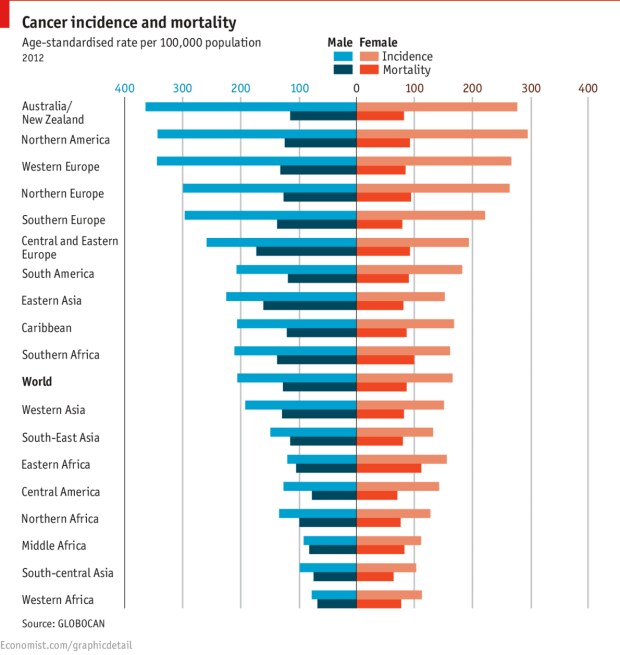
With the number of women diagnosed with breast cancer expected to almost double to 3.2 million in 2030 and the number of women diagnosed with cervical cancer projected to rise by at least a quarter to over 700,000, the scientists warned the cost of inaction will be "huge".
They said human papilloma virus (HPV) vaccination of girls in the world's poorest countries over a period of four years could prevent 600,000 deaths from cervical cancer.
Low- and middle- income countries receive just five percent of global funding for cancer and persistent underinvestment has exacerbated the problem.
Reducing inequalities and improving cancer survival for women should be seen as a part of international commitments to achieve universal health coverage, they added.
They recommended immunising 70 percent of girls against HPV by 2030 and enabling access to early diagnosis and treatment to all women with breast cancer.