80% of panelists surveyed by the National Association for Business Economics said they see at least a 25% chance of the coronavirus fueling a second economic downturn .
Nearly two-thirds of respondents said they viewed the US as still in a recession.
Almost half said they didn't expect US GDP to completely rebound until at least the second half of 2022.
The majority of economists surveyed by the National Association for Business Economics said they see the coronavirus recession worsening before getting better.
Nearly two-thirds of respondents in the association's August survey said they see the US economy still mired in a recession. Almost half said they didn't see US gross domestic product completely rebounding until at least the second half of 2022.
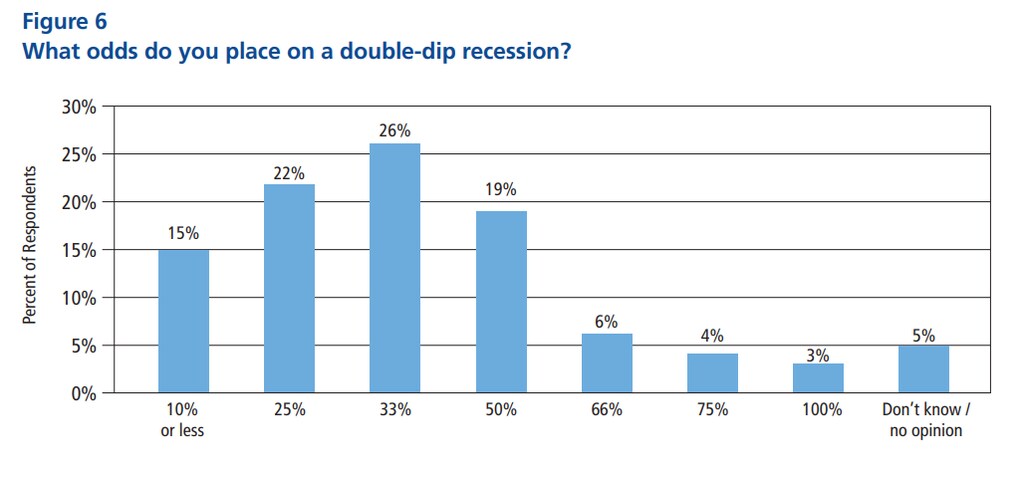
Four in five respondents said they see at least a 25% chance of a "double-dip" recession, NABE said. Another wave of virus cases and lockdown measures bit into recovery hopes throughout the summer. While infection rates recently started to fall, the effects could linger.
Only 18% of respondents said they see nonfarm payrolls recovering to February levels in 2021, while 34% said they didn't expect such a recovery to arrive before 2023.
Even if the labor market returns to health, a large portion of businesses won't make it out of the downturn. The NABE said the median panelist expectation was that 40% of business closures would be permanent.
The gloomy outlook, reflecting 235 respondents' answers between July 30 and August 10, arrived as Congress stood frozen in stimulus negotiations. Economists have called for billions in fresh aid to keep businesses afloat and maintain expanded unemployment benefits.
Four in 10 panelists deemed Congress' fiscal response to the pandemic "insufficient," and 37% labeled it "adequate." Only 11% called the stimulus "excessive," according to NABE.
Respondents were far more positive toward the Federal Reserve and its monetary policy. About three-quarters of panelists said the Fed's actions were "about right," while only 2% deemed them "too restrictive." Most said they expected the central bank's near-zero rates to last through 2021, and 24% said they see the rates staying put until at least 2023.