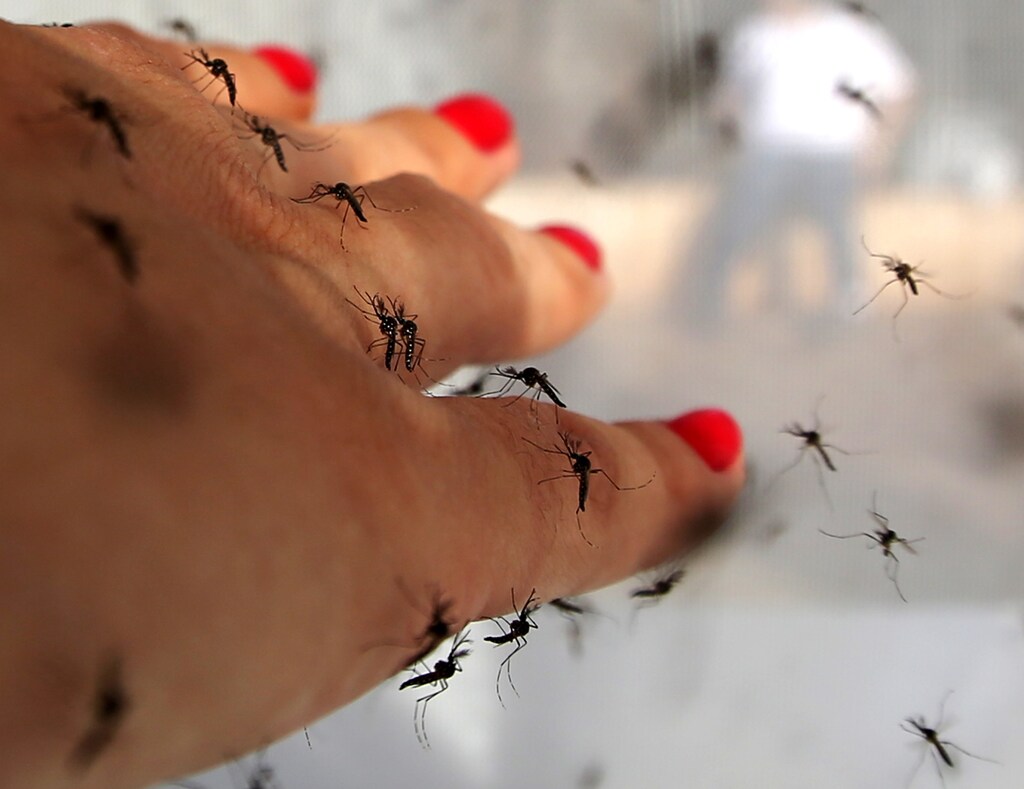
Efforts to end malaria, which killed an estimated 438,000 people in 2015, are under threat as mosquitoes become increasingly resistant to drugs and insecticides.
To outpace rising resistance, the scientific community in the U.S. city of Seattle is developing innovations from data modelling and genetic modification to single-dose drugs and sugar traps.
Here are 10 facts about the deadly disease:
Some 3.2 billion people - almost half the world's population - are at risk of malaria.
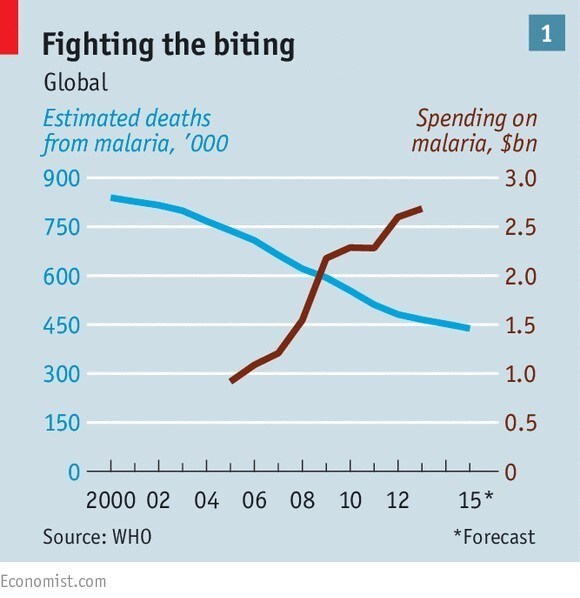
In 2015, there were 214 million new cases reported in 95 countries, and 438,000 deaths.
Sub-Saharan Africa is the most affected region, home to 88 percent of cases and 90 percent of deaths last year.
Children under five years old, pregnant women and people living with HIV/AIDS are particularly vulnerable to malaria.
Since 2000, malaria death rates have fallen by 60 percent, and new cases have dropped by 37 percent.
In Africa, death rates dropped by two thirds, and by 71 percent among children under 5.
These advances came through widespread use of insecticide-treated bednets, indoor spraying, rapid diagnostic testing and artemisinin-based combination therapies over the past decade.
Mosquitoes are developing resistance to insecticides used to treat bednets and for indoor spraying. In Southeast Asia, the disease is becoming resistant to malaria drugs, and scientists are worried this resistance will spread to Africa in the future.
In January, WHO recommended large-scale pilot projects of a new vaccine in parts of Africa, which could pave the way for wider deployment.
The World Health Organization has targeted malaria for elimination in at least 35 countries by 2030, and reducing death rates by 90 percent. The U.N. Sustainable Development Goals have set a target of ending epidemic levels of malaria by 2030.
The Bill & Melinda Gates Foundation aims to eradicate malaria by 2040 and have called for a doubling of funding by 2025.
Global spending on malaria stands at $2.7 billion a year.
Sources: World Health Organization, the Global Fund to Fight AIDS, Tuberculosis and Malaria, Gates Foundation, Malaria No More