Sharmeen Obaid Chinoy's documentary about honour killings in Pakistan, "A Girl in the River: The Price of Forgiveness'', just won an Oscar for the best short documentary, and it has already prompted the Pakistani government to discuss tougher laws to protect women.
But it's not the first time she is using the power of film to change lives.
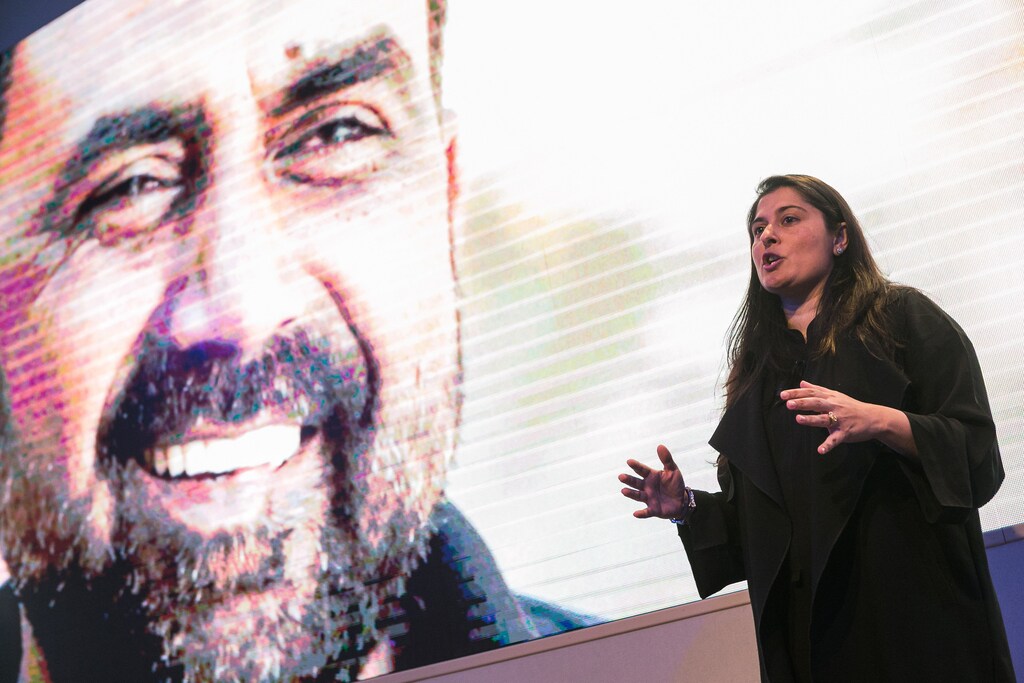
"I’ve seen my work being used for affecting government policy," she said during a presentation at the World Economic Forum's Annual Meeting in January 2016, where she showed some footage from her documentaries exploring the human cost of conflict.
(Warning: Contains violent scenes which some viewers may find disturbing)
Her footage shows various Muslim people who are living with war. There is the Pakistani doctor who has to treat the victims of suicide bombers; the female health workers trying to eradicate polio by giving small children a vaccine; and the bomb defusers whose families live in constant worry.
"These are the names and faces you don't know about," she said. "These are the news stories you never read about in the headlines when you read about the Islamic world."
"But these are the foot soldiers who are literally changing and protecting so many people."
The film-maker won her first Oscar in 2012 for her documentary about acid violence, "Saving Face", a film about women disfigured in acid attacks. After the documentary came out, Pakistan's province of Punjab decided to treat acid violence as a terrorism crime.
Read more about Sharmeen Obaid Chinoy.