一瞥移民的未来

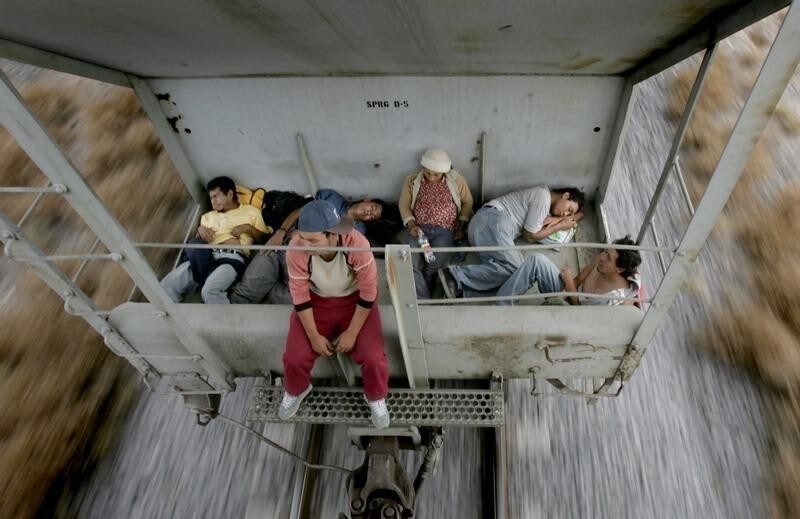
Immigrant travel on a cargo train heading to the border city of Nuevo Laredo, Mexico, May 5, 2006. Every day Mexican trains are used by immigrants to cross the country, heading for the border between Mexico and United States. The U.S. Border Patrol said on Wednesday it had arrested 724,613 undocumented migrants crossing the 2,000-mile (3,200-km) border from Mexico since October 1 last year, a rise of 6 percent from the same period a year earlier. The increase comes as U.S. lawmakers debate a proposal by President George W. Bush offering millions of illegal immigrants a path to citizenship, and as Hispanic activists staged protests and a work stoppage in cities nationwide. REUTERS/Carlos Barria - RTR1D33C
Image: REUTERS/Carlos Barria - RTR1D33C
本内容由人工智能自动翻译。

全球移民现象当前面临哪些挑战?过去10年,围绕移民问题的辩论发生了怎样的变化?未来10年又将如何发展?各国政府能够并且必须采取哪些行动,才能推动移民问题朝着乐观的情景发展?哪些新技术正在影响移民和难民?

在本周的《展望未来》节目中,我们与全球社区参与和韧性基金执行主任哈立德·科瑟、加拿大参议员拉特纳·奥米德瓦,以及东方西方基金会创始人兼主席亚斯米娜·菲拉利进行交流。三人也都是世界经济论坛移民未来理事会的成员。

授权与转载
世界经济论坛发布的文章,可依据《知识共享署名-非商业性使用-禁止演绎4.0国际公共许可协议》以及我方《使用条款》进行转载。 本文所表达的观点仅代表作者个人立场,并不代表世界经济论坛的观点。