
Two hundred forty years ago, our founding fathers could never have imagined the revolutionary tech we’d have today to engage with our government programs and officials. The citizen-engagement landscape includes developments that range from e-voting to online petitioning, which are making it easier than ever for everyday people to interact with their city, state, and national governments.
Today, the Internet of Things is emerging as another way for citizens to talk with their governments. This IoT network connects billions of devices that communicate with each other, the people who use them, and the environments in which they operate. It’s already proven successful in the private commercial sector, smartening up homes, workplaces, and cars. Now it’s making inroads in the public services sector, too.
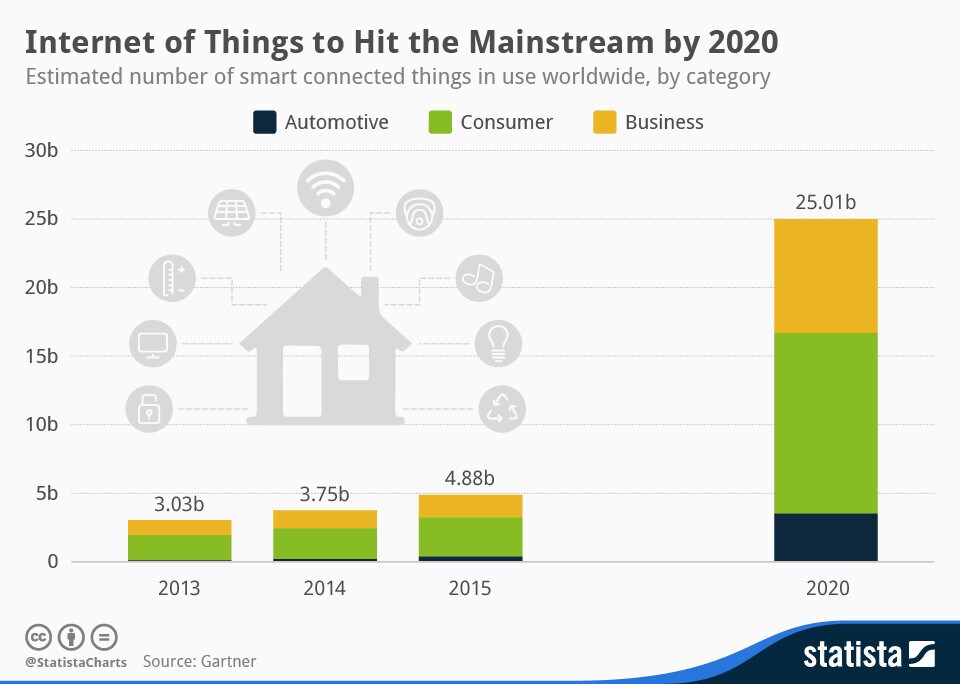
Smart city initiatives like optimized trash collection, traffic management, and energy consumption show the Internet of Things’ promise to improve our day-to-day experiences with the public services we use. Instead of having to report problems and then wait for them to be fixed, our governments can identify, predict, and prevent issues before they happen. By tracking IoT-enabled analytics and making adjustments in real-time, these systems are streamlining government infrastructure operations so they are more resource-, time-, and cost-effective.
Other applications of the Internet of Things, though, are more alarming. Some critics worry about its implications for government spying—and remarks like last week’s testimony by U.S. Director of National Intelligence James Clapper to the Senate’s Armed Services Committee are fueling the controversy. “[I]ntelligence services might use the [Internet of Things] for identification, surveillance, monitoring, location tracking, and targeting for recruitment, or to gain access to networks or user credentials,” Clapper said.
Comments like Clapper’s prove the Internet of Things is anything but secure. What our relationship with the government looks like in the future depends in large part on what we do next.