Welcome to your weekly update – a curated list of some of this week’s most interesting stories on economic growth and social inclusion.
1. Facts and figures. The size of the U.S. middle class has shrunk to now make up 50% of the population, compared to 61% at the end of the 1960s, according to the Pew Research Center. (Financial Times)
2. Recent research by Angus Deaton and Ann Case documents declining life expectancy and health for middle-aged white Americans, especially those with a high school education or less, writes Joseph Stiglitz. (World Economic Forum)
3. Argentina has a new president-elect. What can we expect of him? (Knowledge@Wharton)
4. Brazil’s economy is in distress, as has been much documented in recent weeks. This FT Special Report sheds light on economic bright spots and why foreigners are investing in the country. (Financial Times)
5. In light of the oil price plunge, Saudi Arabia can no longer rely on oil revenue for growth. Where do the country’s growth opportunities lie? (McKinsey Global Institute)
6. A reflection of the changing economic situation in China, “zombie companies” are undermining the functioning of markets and growth. What’s going on? (Andrew Batson’s Blog)
7. This week COP21 comes to an end. Akinwumi Adesina, President of the African Development Bank, reminds us of the link between addressing climate change and boosting development. (The Guardian)
8. Cities can be a crucial driver of job creation, rising productivity and inclusive growth. What makes cities more competitive? (The World Bank)
Author: Jennifer Blanke is Chief Economist at the World Economic Forum
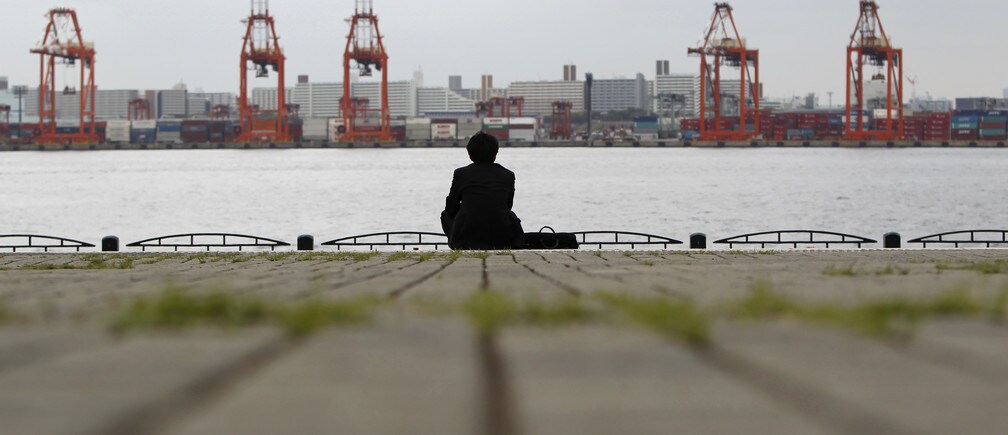
Image: A businessman sits near a cargo area at a port in Tokyo April 19, 2012. REUTERS/Toru Hanai