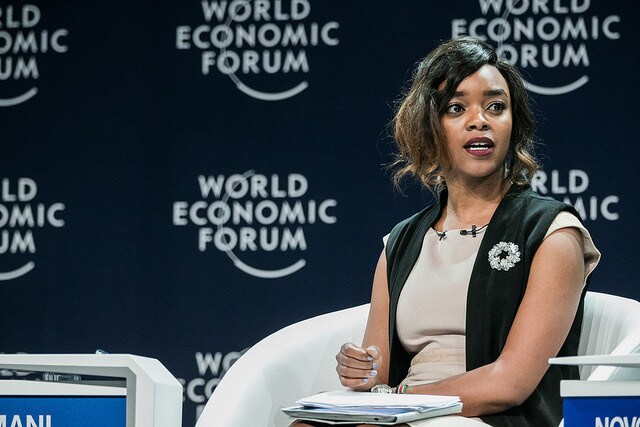
A list of some of the week’s most interesting stories on economic growth and social inclusion – this week featuring coverage from the World Economic Forum on Africa.
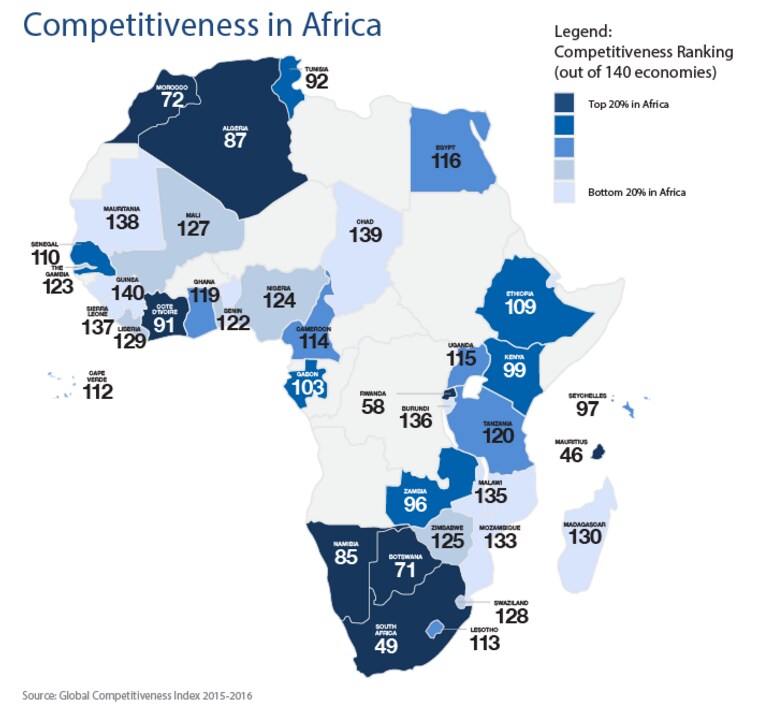
1. Facts and figures. How competitive and inclusive is Africa? Take a look at this new overview prepared by us for this week’s World Economic Forum on Africa. (You might also be interested in a similar snapshot of the Indian economy under the same link). (World Economic Forum)
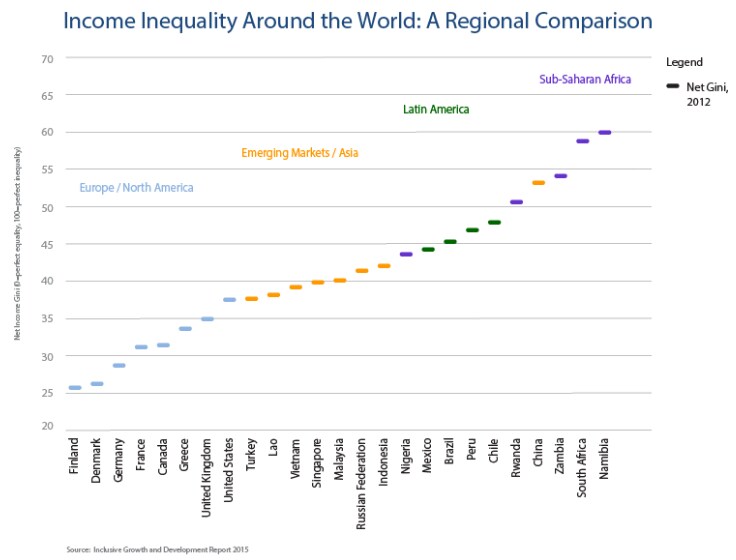
2. How can we tackle inequality in Africa? Take a look at our issue briefing from the meeting in Rwanda. (World Economic Forum)
3. Good news from China: rising rural incomes are making China more equal. (The Economist)
4. More good news? Yes, China’s growth slow-down has ended. But credit growth in steel and property is raising red flags. (Project Syndicate)
5. How unequal is consumption among the rich and poor in America? (Quartz)
6. Could universal basic income work? This video discusses some frequently asked questions. (FiveThirtyEight)
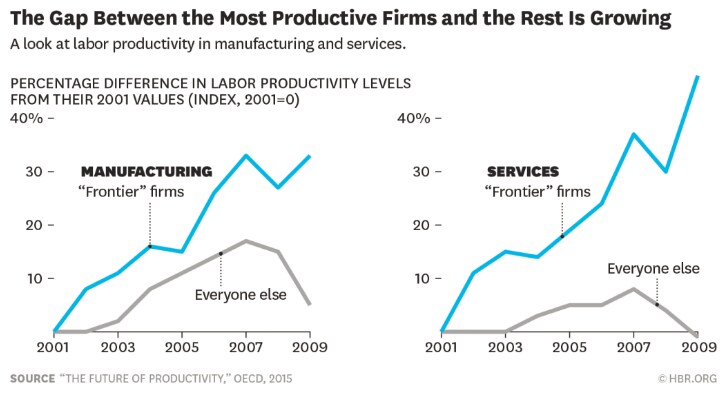
7. There is a large variance in corporate productivity and earnings (in the U.S.). This corporate inequality impacts inequality among individuals. (Harvard Business Review)
8. In a move that strengthens social inclusion in the economy, companies are moving towards more flexible working conditions. (Knowledge@Wharton)
9. Where in the U.S. is the middle class shrinking? This is a nice overview. (The Upshot, New York Times)
10. Send us your ideas! We are looking for examples of good policies for inclusive growth. With sluggish global growth prospects and inequality on the rise, the Meta-council on Inclusive Growth asks you to complete a short survey to help us crowdsource sustainable and scalable policy solutions worldwide. (World Economic Forum)