A list of some of the week’s most interesting stories on economic growth and social inclusion.
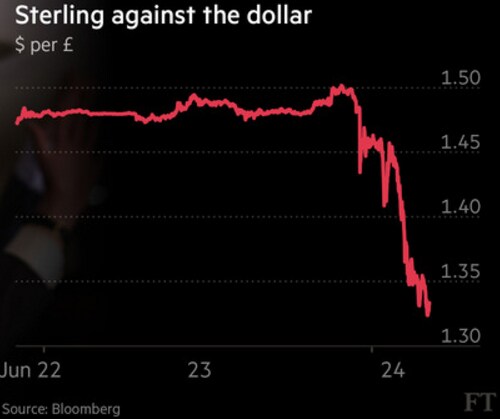
1. Facts and figures. Europe woke up to a defining moment for the region’s future as the UK voted to leave the EU, reflected in market reactions. (Financial Times)
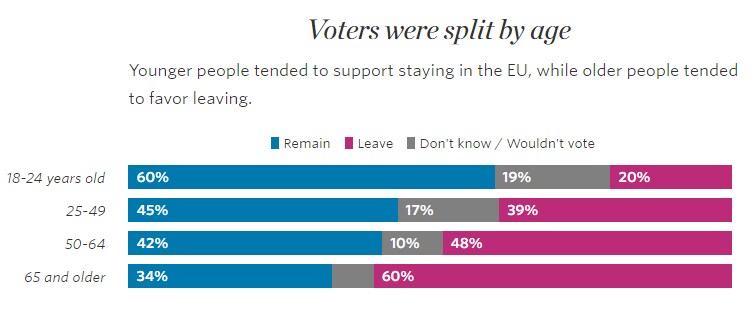
2. British youth mainly wanted to remain in the EU, older Britons were in favour of leaving. (The Wall Street Journal)
3. Economists and other observers of the Brexit vote are in shock. Here is the reaction of a German economist, pointing to the implications of Brexit for the largest economy in the EU. (BERLINOeconomicus)
4. What needs to happen now to minimise the damage from Brexit? (The Economist)
In other parts of the world:
5. Venezuela’s economy is on the brink of collapse and its population is suffering. (Foreign Policy)
6. Ahead of the Forum’s Annual Meeting of the New Champions, which kicks off this coming week, here’s what you need to know about China’s economy and its rise on the global stage. (World Economic Forum)
7. A new study finds that China’s move from an investment-led economy to an innovation-led growth model could add $5.6 trillion to its GDP by 2030. (McKinsey Global Institute)
8. Why has the US grown more unequally than Germany? (VoxEU)
9. High net worth individuals in Asia now hold more wealth than the very rich in Europe or North America. (Foreign Policy)
10. For our French-speaking readers, here is a short interview I gave to a Swiss paper on the need to boost female integration in the labour force while shifting to a more inclusive growth model. (Le Temps)