In a year of surprising and contentious electoral results, many of us are choosing to “vote with our wallets” by boycotting brands we don’t believe match our values. Now businesses are doing the same.
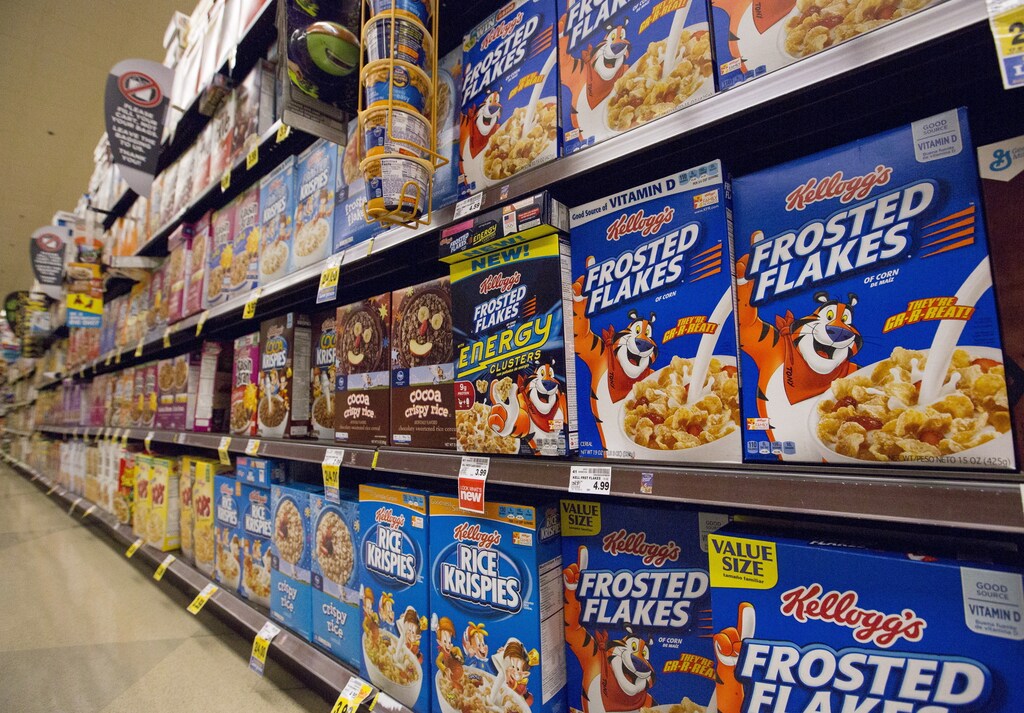
This week, Kellogg’s announced it was pulling all advertising money from Breitbart, a controversial news site that has in the past featured sexist, racist, anti-Semitic and homophobic stories.
“We regularly work with our media buying partners to ensure our ads do not appear on sites that aren’t aligned with our values as a company,” Kellogg’s spokeswoman Kris Charles said of the decision.
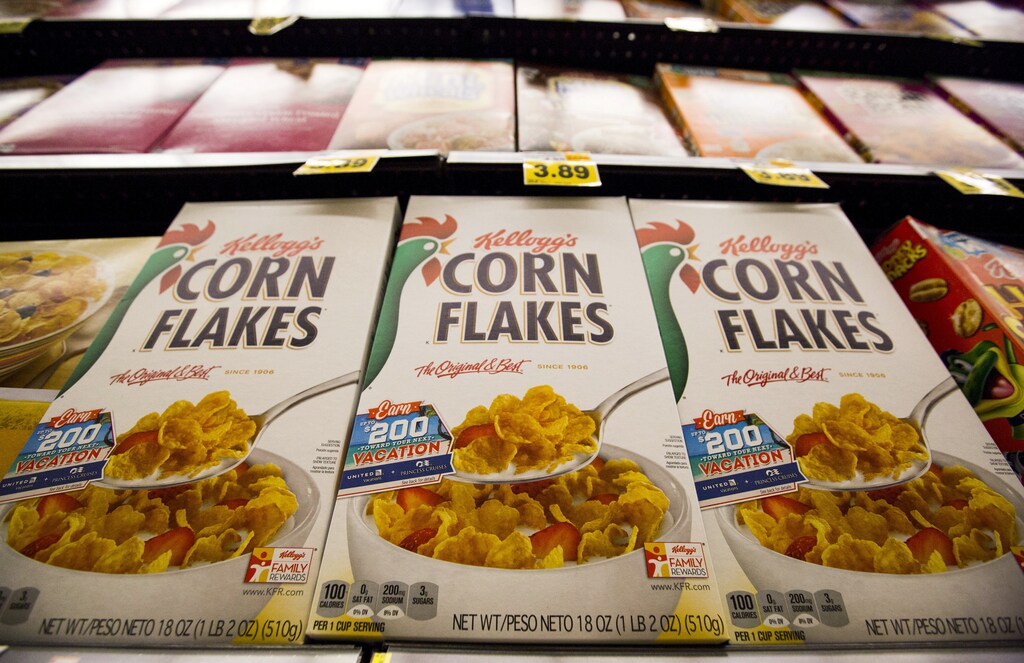
The food giant joins a growing list of businesses – including glasses retailer Warby Parker, technology company Nest, pharmaceutical firm Novo Nordisk and Allstate insurance – that have decided to stop advertising with Breitbart.
The developments follow a decision by AppNexus, one of the leading digital advertising firms, to ban Breitbart from using its ad tech services, after it was deemed to have violated hate speech rules.
“We did a human audit of Breitbart and determined there were enough articles and headlines that cross that line, using either coded or overt language,” AppNexus spokesman Joshua Zeitz told Bloomberg.
It’s not the first time in 2016 that businesses have stood up for the values they deem to be important. Earlier on in the year, leading corporations, including Deutsche Bank and PayPal, decided to postpone planned expansions in North Carolina, after the state put in place so called “toilet laws” that many believed discriminated against the transgender community.
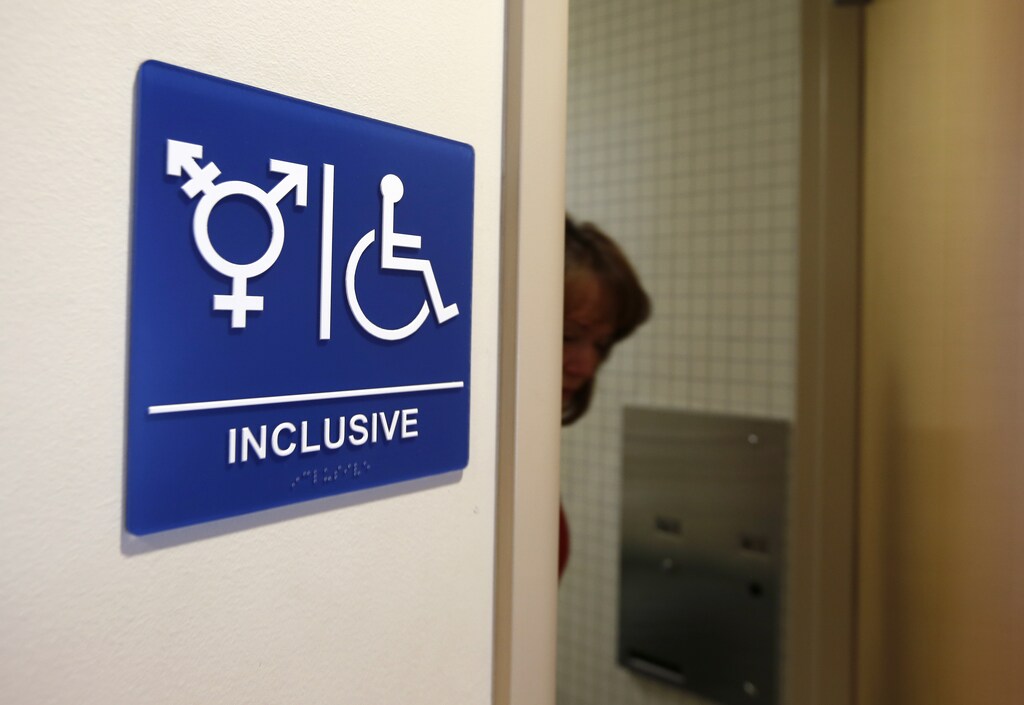
“We take our commitment to building inclusive work environments seriously,” John Cryan, the CEO of Deutsche Bank, explained at the time. “We’re proud of our operations and employees in North Carolina and regret that as a result of this legislation we are unwilling to include the state in our US expansion plans for now.”
Meanwhile, in the UK, Lego stopped advertising with The Daily Mail after the Stop Funding Hate campaign called on brands to boycott media that use “fear and division to sell more papers”.
Do these business-led boycotts ever work? Ask the people of North Carolina: according to the latest estimates, the fallout there has so far cost the state just shy of $400 million. A steep price to pay, but proof of the difference businesses can make when they want to.