When asked to name a Nobel Prize-winning Latin American author, who springs to mind? Probably Gabriel García Márquez. The Colombian author, who died in 2014, is a literary force of nature and his most famous novels, One Hundred Years of Solitude and Love in the Time of Cholera captivated readers around the world.
Latin America is packed with great literary talent, so here's a round-up of the authors from the region who have been awarded the prestigious prize and left their mark on literature.
Gabriela Mistral, Chile (1945)
Born in Chile in 1889, Lucila Godoy y Alcayaga was a schoolteacher who began to write poems after a tragic love affair. Her debut collection, Sonnets of Death, was published in 1914.
The first Latin American winner of the prize, she wrote under the pen name Gabriela Mistral, a tribute to two of her favourite poets, Gabriele D’Annunzio and Frederic Mistral (who won the Nobel Prize in 1904).
Miguel Angel Asturias, Guatemala (1967)
A poet, novelist and diplomat, Asturias was awarded the Soviet Union’s Lenin Peace Prize in 1966. A year later he won the Nobel Prize for Literature.
His novels shone a light on indigenous culture, especially the Maya in his native Guatemala, and were also form of social protest. One of his most famous novels, El Señor Presidente, depicts life under a ruthless dictator.
Pablo Neruda, Chile (1971)
García Márquez once called him "the greatest poet of the 20th century in any language". The Chilean poet, whose real name was Neftalí Ricardo Reyes Basoalto, reportedly wrote in green ink because the colour gave him hope.
His writings ranged from erotically charged love poems to surrealist pieces, historical epics, and political manifestos.
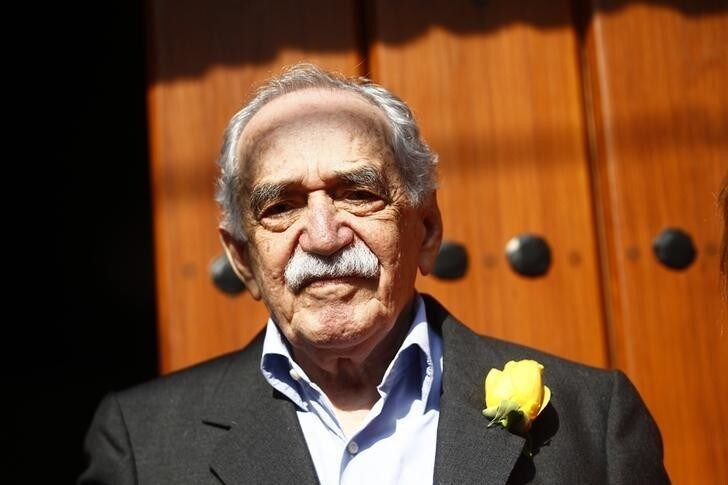
Gabriel García Márquez, Colombia (1982)
Known for his dreamlike blend of magic and realism, García Márquez began his prolific writing career as a newspaper reporter.
His masterpiece, One Hundred Years of Solitude, helped to propel him to international literary stardom, and the Nobel Prize in 1982. The novel tells the story of the Buendia family in the fictional village of Macondo, on the Colombian Caribbean coast where García Márquez was born and raised.
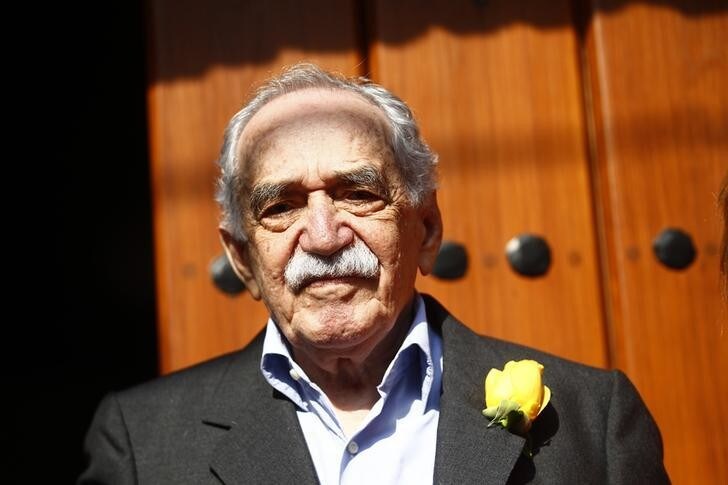
Octavio Paz, Mexico (1990)
Born in 1914 in Mexico City to a family of Spanish and native Mexican descent, Paz launched his career in his teens, publishing his first book of poems in 1933. Influenced by the modernist and surrealist movements, his work includes The Labyrinth of Solitude (1950) and Sun Stone (1957) which explore Mexico’s Aztec heritage and what it is to be lonely.
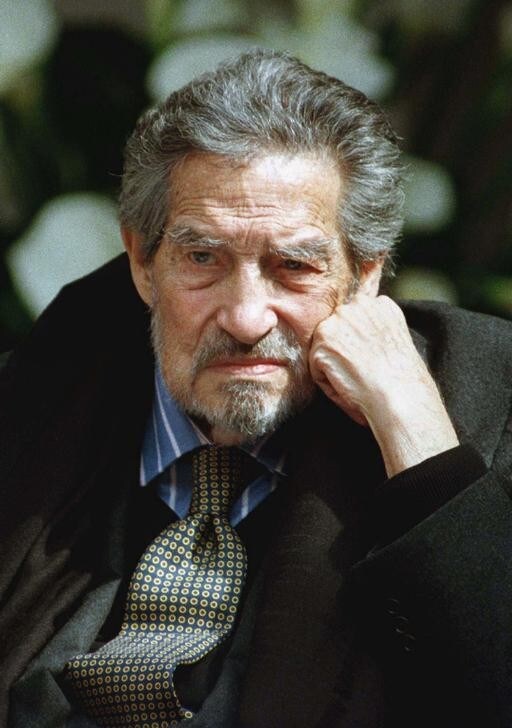
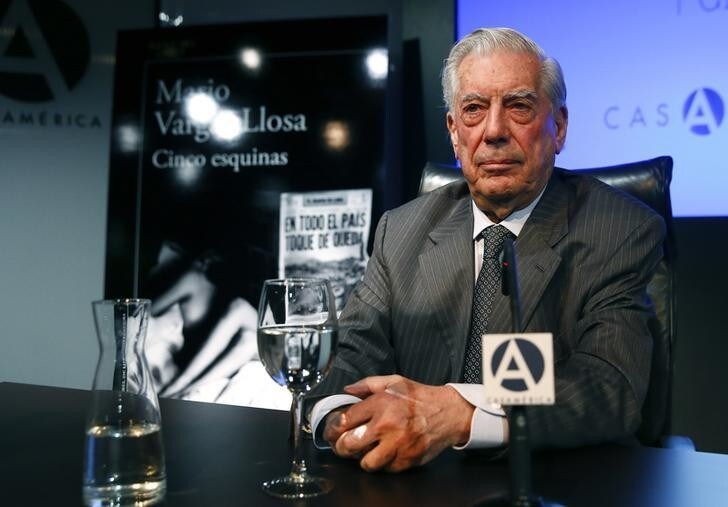
Mario Vargas Llosa, Peru (2010)
The 2010 laureate has made Peruvian politics a theme in several of his novels, and even made an unsuccessful bid for the country’s presidency in 1990.
As well as being a novelist, Vargas Llosa, who turned 80 this year, is also a newspaper columnist, essayist and playwright with work spanning many decades. His latest novel, Five Corners, a critique of the state of politics and journalism in Peru in the 1990s, was published in March.