Governments worldwide, but particularly in Europe, are looking for growth. Can trade provide it? And to enable it, can we apply austerity to trade barriers and stimulus to trade facilitation?
There is a growing view that traditional trade objectives focused on market access are becoming outdated in a world in which value is added incrementally in numerous locations. Physical, administrative and informational obstructions to trade are a greater deterrent than tariff barriers.
Business wants policy-makers to address key constraints that obstruct the movement of goods or increase supply chain costs. However, the analysis is not yet in on the business case for tackling obstructions. What would be the value from removing these and what would be the cost of removing them?
The World Economic Forum’s Global Enabling Trade Report 2012 will be out this week. It will show that clearly some countries have grasped the opportunity to remove obstructions to trade, while others seem to look inward.
What drives these decisions? Data from the report shows the factors, such as burdensome import procedures and difficulties in identifying potential buyers, which are seen as the greatest barriers by businesses but even the best informed policy-makers still have little clarity on what specific actions will get the most bang for their buck.
Answers to these questions are beginning to emerge. The Forum is working with business, with academia, leading trade institutions and the Forum’s Global Agenda Councils on Trade and Logistics to pull these together and give them prominence. We should soon have a better picture of the growth opportunities from trade facilitation through a new Forum initiative that aims to put a cost on the biggest supply chain barriers, as well as the cost of trade facilitation mitigating actions.
On the way we need to consider differing economic circumstances and different supply chain situations. We need to identify the low-hanging fruit and we need to institutionalize targeted supply chain thinking in trade negotiations.
Perhaps then the nations, both large and small, who drop down on the Enabling Trade rankings this year will have clearer incentives and clearer roadmaps for enabling growth from trade.
The champions of trade meanwhile should not rest on their laurels. Trade barriers in one nation feed through global value chains to affect output in others, making them everyone’s concern. Plus, world trade is rapidly reshaping, with some surprising stars emerging.
Authors: Sean Doherty, Associate Director & Head of Supply Chain & Transport Industry, World Economic Forum; and Ronald Philip, Community Manager, Supply Chain & Transport Industry, World Economic Forum
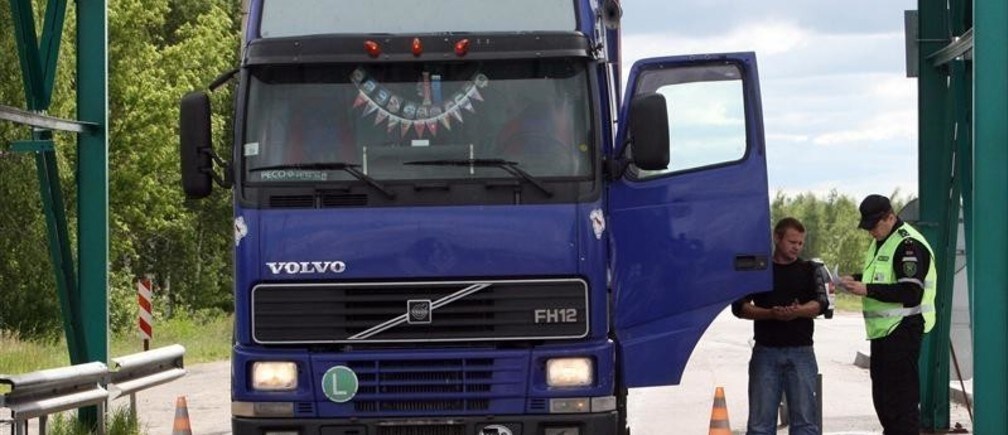
Image: Belarus’ customs authorities check a truck at the Russia-Belarus border. REUTERS/Stringer